Tabletop Alcohol Fire Pit Burn Injury Lawyers
A tabletop alcohol fire pit lawsuit is a product liability claim brought by burn injury victims against the manufacturers, importers, and retailers of decorative ethanol and isopropyl alcohol burners that flame jet, tip over, or explode during ordinary use, causing third degree burns, inhalation injuries, permanent disfigurement, and death.
Bert Louthian of The Louthian Firm is a distinguished national product liability attorney who has represented catastrophically injured clients and grieving families since 1985. He is rated AV Preeminent by Martindale-Hubbell, recognized by the National Trial Lawyers Top 100, holds an Avvo 10.0 rating, and is a member of the Multi-Million Dollar Advocates Forum.
Our tabletop firepit burn injury attorneys are currently accepting explosion and burn injury cases, and are available 24 hours a day. Nationwide representation on pure contingency. You pay nothing unless we recover for you. Call (803) 712-4771 for a free, confidential consultation with a real product liability attorney.
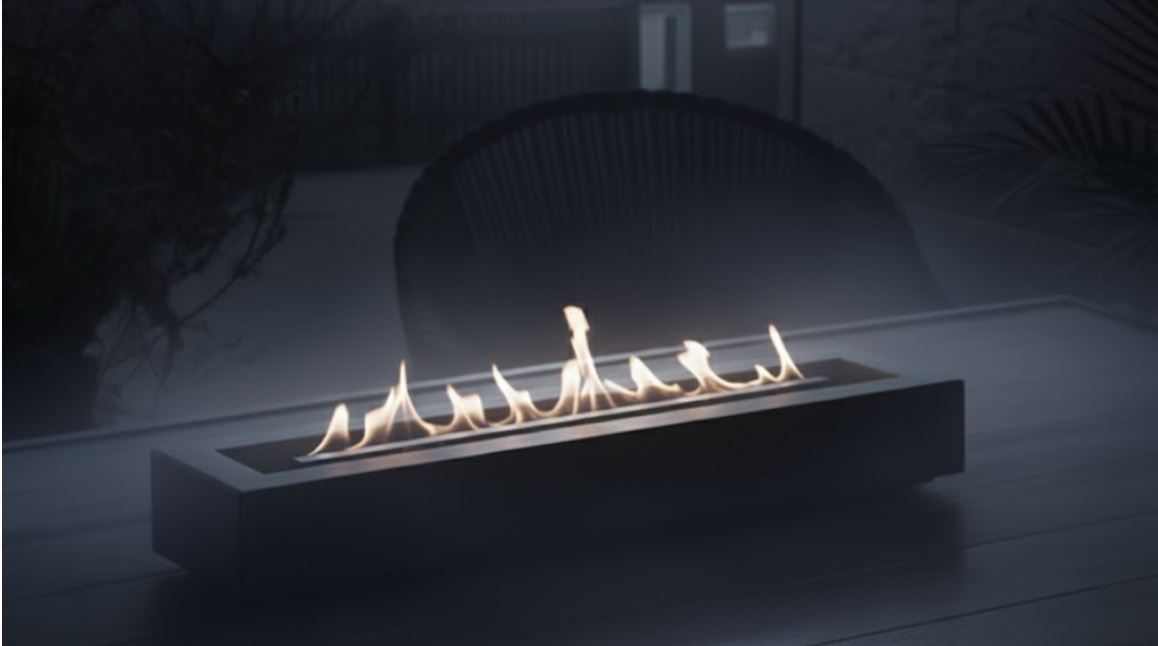
Why a tabletop alcohol-fueled fire pit can cause catastrophic burns?
A tabletop alcohol fire pit’s design is typically defective on its face! There is no flame arrestor, no vapor barrier, and no automatic shutoff between the fuel and the room.
According to the U.S. Consumer Product Safety Commission, these products have caused more than 60 documented severe injuries and at least two deaths since 2019, and most of the units sold in the United States fail the voluntary safety standard ASTM F3363-19.
Two physical realities drive every injury: First, alcohol burns at roughly 1,600 degrees Fahrenheit with a nearly invisible blue flame, so a unit you believe is extinguished may still be at full burn.
Second, alcohol vapors are heavier than air and pool around the unit, extending the flammable zone well beyond what you can see. CPSC data shows children represent about 25 percent of victims, and group gatherings account for roughly 40 percent of incidents, meaning a single explosion routinely injures more than one person at the same table.
See our updated analysis of current cases and how we can help: Tabletop Firepit Lawsuits
How do tabletop fire pit explosions happen?
Alcohol-fueled firepit explosions leading to burns are not accidents. They are predictable failures of a defective design, and competent engineering would have prevented every one of them according to most burn injury plaintiffs’ lawyers
What is flame jetting?
Flame jetting is the sudden ignition of an accumulated vapor cloud, producing a horizontal fireball that carries burning liquid and gives the victim no time to react. It almost always happens during refueling, when residual heat in an apparently extinguished unit ignites a fresh fuel pour. Multiple lighting attempts make it worse because each one adds vapor to the surrounding air.
What about tip-overs and delayed ignition?
Most units are top-heavy and unstable on the kind of cloth-covered table they are marketed for. A bumped table spreads burning liquid across the surface, where it adheres to skin and clothing and continues burning. Delayed ignition is the related scenario in which fuel added to a still-warm unit produces vapor that sits in the room for seconds or minutes until any nearby source, a candle, a stove pilot, a static spark, sets it off.
What kinds of burn injuries result from these explosions?
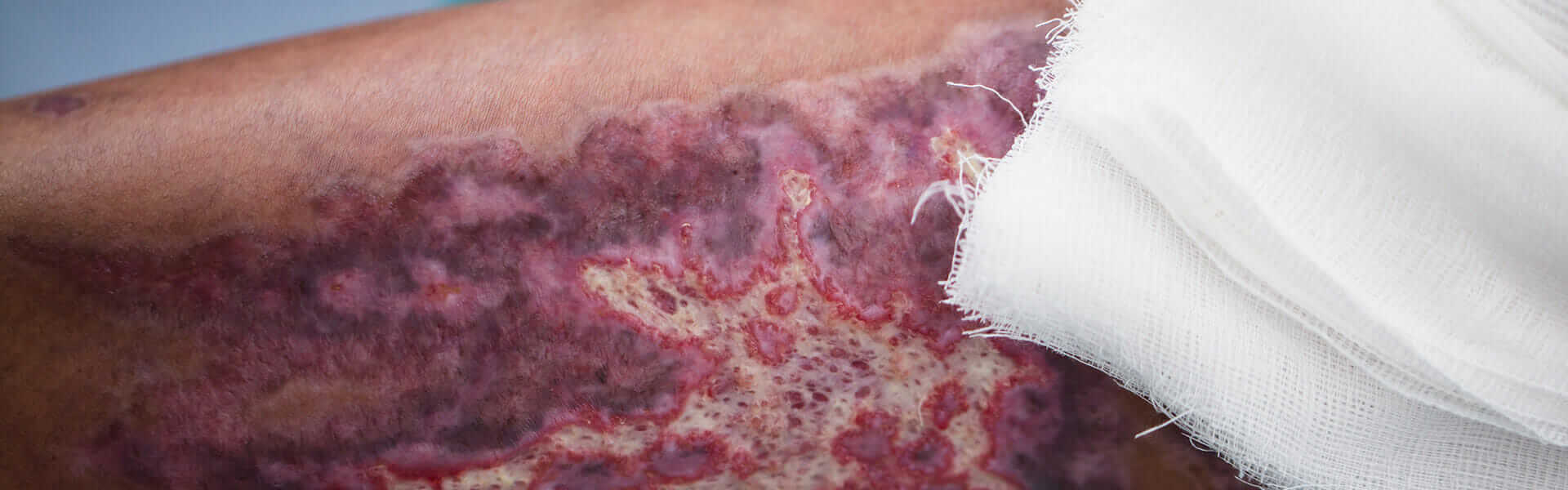
Tabletop fire pit explosions produce some of the most severe burns in modern product liability litigation. The combination of high fuel temperature, full-body exposure, and the liquid’s tendency to adhere to skin makes these injuries uniquely destructive.
Third degree burns destroy the full thickness of the skin and often the underlying tissue, requiring skin grafts and reconstructive surgery. Second degree burns blister and leave permanent scarring even with optimal care. Inhalation injuries from breathing superheated air can require intubation and long term ventilator support. Facial and ocular burns are especially common because tabletop units sit at face height, and they drive multi-year reconstructive surgical schedules.
Can a delayed-onset injury still support a claim?
Yes. Inhalation injuries, corneal damage, secondary infection, and post-traumatic stress disorder often present days or weeks after the event. Document new symptoms as they appear and tell your attorney, because diagnostic timing affects how damages are valued.
Who is legally responsible when a tabletop fire pit injures someone?
Liability rarely stops with the brand on the box. A well-built case names a manufacturer, an importer or distributor, a retailer, and sometimes a property owner, so you can recover even if one defendant goes bankrupt or vanishes overseas.
Manufacturers carry primary strict liability for design defects, manufacturing defects, and inadequate warnings. Importers and distributors owe an independent duty to verify U.S. safety compliance and cannot hide behind the foreign factory. Retailers and online marketplaces face direct exposure following the 2024 federal ruling reclassifying Amazon as a distributor rather than a passive marketplace. Property owners can share liability when the unit was on premises they controlled, and their commercial general liability or homeowners insurance often responds to guest injuries.
Can I sue Amazon, Walmart, or another major retailer?
Yes. CPSC enforcement and recent case law establish marketplace and retailer liability for defective consumer products. Their substantial insurance often becomes the primary source of recovery when the overseas manufacturer is unreachable.
What if the fire pit was a gift, or I was injured at a restaurant, a friend’s house, or an Airbnb?
You can sue the supply chain regardless of where the incident happened or who originally bought the unit. You may also have a premises liability claim against the property owner, and commercial or homeowners insurance often provides immediate medical coverage while the product case develops.
The Louthian Firm fights for maximum compensation including punitive damages when appropriate. Call (803) 712-4771 for your free consultation with our lead trial attorney.

Brands and retailers named inrecalls, lawsuits, and CPSC actions
The list below covers the brands most frequently associated with reported flame jetting, tip-over, and explosion incidents. Many of these products are sold under multiple labels and rebranded as overseas manufacturers rotate names in response to recall activity.
Absence from the list does not mean a unit is safe according to our tabletop fire pit lawyers.
Colsen Fire Pits
- Recalled 89,500 units in October 2024 after reports of flame-jetting explosions.
- 19 reported burn injuries before recall, including third-degree burns covering 40 percent of victims’ bodies.
- Sold through Amazon, Walmart, Wayfair, and specialty retailers nationwide.
FLIKRFIRE and FLIKR Inc.
- Marketed as a personal fireplace for indoor use.
- Cited in multiple CPSC warnings and wrongful-death investigations.
- Lacked flame arrestors and safety indicators required under ASTM F3363-19.
Aikami Fire Pits
- Frequently sold through Amazon and TikTok Shop.
- Users report rapid flash-ignition events and fuel leaks from concrete pores.
Chandelita Tabletop Fire Bowls
- Imported decorative fire bowls marketed as eco-friendly.
- Advertised for small-space indoor use despite lacking vapor barriers.
Ciekope Tabletop Fireplaces
- Low-cost ethanol burners sold under various listings with inconsistent manufacturing quality and several near-miss injury reports online.
Glanzfeuer Tabletop Units
- European-style ethanol fireplaces sold through Wayfair and Amazon Global.
- Marketed as premium but share the same open-fuel design flaws.
GrayHoo Fire Pots
- Lightweight concrete models prone to cracking and leaking fuel, commonly sold via Amazon third-party storefronts.
Housewise Vesper
- Compact alcohol burners distributed through home-goods boutiques and online retailers, marketed for modern minimalist design but lacking flame-control mechanisms.
Hranboty Tabletop Fire Pits
- Budget-priced models linked to multiple consumer-complaint filings in 2024 and 2025. Packaging often lacked English-language safety instructions.
Iker Home Fire Bowls
- Marketed as smokeless decor items and advertised for indoor use despite high flame-jetting risk.
Montek Mini Fire Pits
- Sold heavily on Amazon and Walmart.com during the 2023 to 2025 holiday seasons. CPSC-style warnings followed reports of whoosh ignitions.
Pfoozy and Poofzy Fire Pits
- Associated with a 2025 incident involving a 17-year-old burn victim. Investigations allege faulty fuel-pouring design and missing safety screens.
Sportkee Fire Bowls
- Marketed to outdoor-sport enthusiasts as compact camp accessories. Shared design elements with recalled Colsen models.
Zgrmbo Fire Pots
- Online-only brand sold through Amazon Marketplace. Manufactured overseas with limited safety documentation and lacked required flame-control components.
Roundfire Concrete Tabletop Fire Pits
- Heavy concrete construction created a false perception of safety. Flame-jetting incidents occurred despite the premium positioning.
Additional brands under investigation
TIKI Brand Fire Pits, Gardenline, Voda, Decofire, Palo, and a long tail of Amazon and TikTok third-party sellers have also been linked to reported burn incidents. New brands appear monthly as overseas factories rotate labels.
Retailers that sold these units
- Five Below – thousands of units at $5 to $15 price points.
- Walmart – distributed through stores and Walmart.com nationwide.
- Amazon – enabled third-party sales without independent safety verification.
- Target – sold designer models at premium price points.
- Wayfair – online-only sales prevented in-person safety inspection.
- Home Depot, Lowe’s – marketed as patio accessories near grilling supplies.
- CVS and Walgreens – sold smaller units as impulse purchases.
What if my fire pit isn’t on this list or was never recalled?
You may still have a viable claim. Recalls cover only the specific models a manufacturer admits are dangerous, and identical open-reservoir units circulate under different brand names. Engineering analysis can establish the defect in your unit even if the brand is obscure or no longer in business.
How do I file a tabletop fire pit lawsuit, and what claims can I bring?
You file by retaining a product liability attorney such as The Louthian Law Firm who can identify every viable defendant, preserve evidence, and select the court and state law that produce the strongest recovery. Most cases land in federal court under diversity jurisdiction, because damages routinely exceed $75,000 and defendants are typically out-of-state corporations.
Strict product liability is the strongest theory. You prove the product was defective when it left the manufacturer’s hands, not that the manufacturer was negligent. Negligence targets failure to test, failure to verify compliance, and failure to investigate after injury reports came in. Breach of warranty attaches to marketing claims like “safe for indoor use” and to the implied warranties of merchantability that every consumer product carries.
How long does a tabletop fire pit lawsuit take, and do I qualify?
Most cases resolve within 18 to 36 months through settlement. You may qualify if you were burned, if a family member was burned, if you witnessed an incident and have psychological injuries, if you have consortium losses, or if you are pursuing a wrongful death claim as the personal representative of an estate.
The fire pit lawyers at The Louthian Law Firm will explain this all to you in simple terms
What evidence do I need to preserve right now?
The most important step in the days after a fire pit injury is preserving evidence before insurers and defense investigators shape the record against you.
Preserve the unit. Do not clean, repair, or dispose of it. Bag it, photograph it, and store it where it cannot be disturbed. Keep the fuel container, packaging, instructions, and warning labels.
Preserve the purchase trail. Order confirmations, credit card statements, receipts, and Amazon or retailer order histories all help identify the correct defendants in the supply chain.
Document medical care. Ambulance records, emergency department notes, surgical reports, and photographs of wounds at every stage of healing build the foundation of damages.
What if I threw away the fire pit or insurance already paid my bills?
You still have a claim. Purchase records, photos, witness statements, and recalls of identical models can establish the defect without the physical unit. Insurance coverage does not bar a product liability lawsuit, and the largest damage categories, pain and suffering, lost earning capacity, disfigurement, are not paid by health insurance at all.
How much is a tabletop fire pit lawsuit worth?
There is no honest average settlement for a tabletop fire pit case. Value tracks the severity of injury, the strength of liability evidence, and the available insurance. A realistic range for serious cases runs from the low six figures into the multiple millions.
Typical value ranges by injury severity
- First and second degree burns without surgery: $50,000 to $150,000.
- Burns requiring surgical intervention: $250,000 to $500,000.
- Severe burns with permanent scarring or disfigurement: $500,000 to $2 million.
- Catastrophic injury, permanent disability, or wrongful death: $2 million and up.
Recoverable damages typically include past and future medical expenses, lost wages and diminished earning capacity, pain and suffering, permanent disfigurement, loss of consortium, property damage, and punitive damages where the manufacturer knew about flame jetting risks and continued selling anyway.
Can I sue after accepting a refund, and how are future medical costs calculated?
A refund covers the purchase price, not injuries, and a liability release signed without independent counsel can often be set aside. Future medical costs are projected by life care planners across your remaining lifetime, including the revision surgeries that burn injuries often require decades after the original event.
How long do I have to file a tabletop fire pit lawsuit?
The deadline to file (the statute of limitations) is set by the state where the injury occurred and ranges from one to four years.
- Florida: 4 years from the date of injury.
- South Carolina, New York: 3 years from the date of injury.
- Texas, Georgia, California, Illinois, Virginia: 2 years from the date of injury.
- Louisiana: 2 years for incidents on or after July 1, 2024, and 1 year for earlier incidents.
Most states recognize a discovery rule that can extend the deadline when an injury or its cause is not immediately apparent. Minor claims are typically tolled until age 18, and fraudulent concealment by a manufacturer can extend the deadline further. Some states have procedural traps that matter, Virginia applies pure contributory negligence, and California’s Proposition 51 limits non-economic damage liability among multiple defendants.
When is it too late to sue?
Only when every available theory in every state with jurisdiction is time-barred and no tolling rule applies. That requires legal analysis, not guesswork. Call before you assume the case is gone.
Why hire Bert Louthian and The Louthian Firm?
The Louthian Firm has spent four decades taking on corporate defendants and dangerous-product cases that other firms turned down. Bert Louthian has practiced product liability and personal injury law since 1985, alongside his father Herb, who founded the firm. Combined, they represent roughly 80 years of trial experience.
One of Bert’s most consequential cases involved the 2005 Graniteville train disaster, in which a Norfolk Southern freight train carrying liquid chlorine collided with a parked train, releasing 60 tons of toxic gas and killing nine people. His client was a young truck driver sleeping in his rig nearby. The forensic depth, expert reconstruction, and willingness to litigate against a major corporate defendant that case required is the same approach a tabletop alcohol fire pit case demands.
The firm represents clients nationwide on pure contingency. No attorney fee unless we recover. We advance investigation, expert, and litigation costs, so finances do not stand between you and justice.
“We treat every client as we’d want our own family treated, with compassion, clarity, and commitment.” — Bert Louthian
Speak with an Experienced Product Liability and Tabletop Fire Pit Burn Lawyer at The Louthian Firm
We work on contingency fees—you pay nothing unless we win. We advance all costs so finances don’t prevent justice.
Our firm’s product liability and burn injury lawyers are accepting serious injury cases resulting from all firepits/firepots,nationwide, including South Carolina, Texas, Florida, New York, California, Pennsylvania, Illinois, Georgia, Missouri, Ohio, Michigan, North Carolina, New Jersey, Virginia, Washington, Arizona,
Our firm has secured millions in settlements for victims of accidents involving significant injuries and wrongful death and understand the devastating impact these injuries have on families. Let us handle the legal battle while you focus on healing.
“We treat every client as we’d want our own family treated— with compassion, clarity, and commitment.” — Bert Louthian
Free Consultation | 24 / 7 Availability
📞 Call (803) 712-4771 to speak with a real attorney today.
Seeking truth. Securing justice.